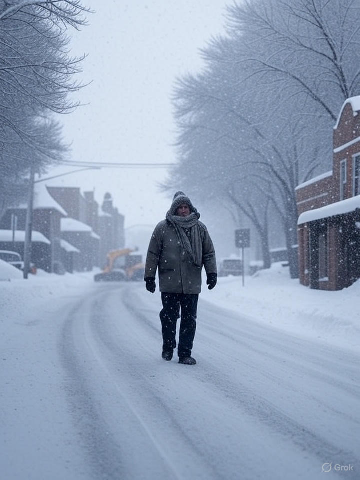
Winter Storm Warning remains in effect Wednesday, signaling significant winter weather that could disrupt travel, daily activities, and safety. Understanding the impacts, preparation steps, and expert advice is crucial to staying safe.
As winter sets in, weather conditions can change quickly. A Winter Storm Warning remains in effect Wednesday, signaling dangerous winter weather that could affect travel, safety, and daily routines. Understanding the risks and preparing in advance is essential to stay safe.
Contents
🌀 What Is a Winter Storm Warning?
A Winter Storm Warning is issued by the National Weather Service (NWS) when a significant winter weather event—such as heavy snow, sleet, or ice—is expected to create hazardous conditions. Travel can become extremely dangerous or impossible in some areas, making preparation critical.
Key takeaway: Unlike a simple advisory, this is a serious warning. Ignoring it could put lives at risk.
Sources: FOX 4 News Dallas-Fort Worth, National Weather Service
Winter Storm Warning Remains in Effect Wednesday: The Basics You Must Know
The NWS forecasts heavy snow, ice, and strong winds for Wednesday. Residents should anticipate disruptions to transportation, school schedules, and even power supply. Key points include:
Hazard
Expected Impact
Safety Tip
Heavy Snow
6–12+ inches
Avoid travel; clear driveways early
Strong Winds
Gusts 35–45 mph
Stay indoors; secure outdoor items
Cold Temperatures
Wind chill below 0°F
Layer clothing; monitor vulnerable neighbors
Travel Disruptions
Road closures, flight delays
Check local alerts before leaving home
Staying updated via local news, weather apps, and official NWS alerts is essential.
Why This Warning Matters
A Winter Storm Warning signals more than inconvenience. It indicates life-threatening conditions that require immediate action. Families, commuters, and businesses should act now to minimize risk.
🌀 Understanding the Science Behind Winter Storms
Winter storms form when cold Arctic air collides with warm, moist air from the south, creating snow, sleet, ice, and strong winds. Factors influencing storm intensity include:
Temperature Differences: Larger contrasts create heavier snow and stronger winds.
Moisture Levels: More moisture = more snow/ice.
Atmospheric Pressure: Low-pressure systems often intensify storms.
Types of Winter Storms
Storm Type
Characteristics
Hazard Level
Snowstorm
Heavy snow + gusty winds
Moderate–High
Ice Storm
Freezing rain coats surfaces
High
Blizzard
Winds >35 mph, <1/4 mile visibility
Very High
Sleet Storm
Frozen raindrops, slippery surfaces
Moderate–High
Why Wednesday’s Storm Is Significant: Meteorologists indicate heavy snow, strong winds, and freezing temperatures—ingredients for a potentially hazardous storm.
Real-Life Example:Blizzard of 2016
Over 1,000 flights canceled in one day
Road closures lasting days
Thousands experienced temporary power outages
Expert Insight
Dr. Emily Richards, meteorologist, warns:
“A Winter Storm Warning indicates hazardous conditions that can disrupt daily life. Treat it seriously, prepare in advance, and avoid unnecessary travel.”
🌨️ How This Wednesday’s Storm Compares to Past Winter Storms
Storm Name / Year
Snowfall
Wind Speed
Travel Impact
Duration
Blizzard 2016
12–24 inches
40–50 mph
Severe, flights canceled
2 days
Winter Storm Grayson 2018
8–15 inches
30–40 mph
Road closures, delays
1 day
Snowstorm Jan 2022
4–10 inches
25–35 mph
Moderate, some outages
1 day
Wednesday 2025 Storm
6–12 inches
35–45 mph
Travel hazardous, localized outages
1 day
Comparison helps plan resources, anticipate travel hazards, and inform community safety measures.
Real-Life Case Study:Midwest Snowstorm 2020
10 inches of snow
Over 300 traffic accidents
Two-day school closures
Shelters opened for residents
Dr. Thomas Monroe emphasizes:
“Even moderate storms can become dangerous if underestimated. Wind and cold make Wednesday’s storm particularly hazardous.”
Central/Northern West Virginia Mountains: 6–10 inches, strong winds.
Parts of Oregon/Washington Coast: Up to 2 inches snow, 35 mph gusts.
Expected Conditions: Heavy snow, gusty winds up to 40 mph, temperatures 7°F–32°F, with wind chill making it feel colder.
Winter Storm Warning Remains in Effect Wednesday: What You Need to Know
❓ FAQs About Winter Storm Warning Remains in Effect Wednesday
Here are the most common questions about winter storms, with clear, actionable answers for readers:
What does “Winter Storm Warning remains in effect Wednesday” mean?
It means hazardous winter weather is expected or occurring, and residents should take immediate precautions for snow, ice, wind, and travel hazards.
How is a Winter Storm Warning different from a Winter Weather Advisory?
A warning indicates dangerous, potentially life-threatening conditions, while an advisory signals less severe but disruptive weather.
Should I go to work or school during a winter storm warning?
No, unless absolutely necessary. Travel is often dangerous due to ice, snow, and low visibility.
How much snow is expected for Wednesday’s storm?
Snowfall varies by region, typically 4–12 inches, with higher amounts in elevated or northern areas.
Will the storm cause power outages?
Yes, strong winds and ice accumulation may damage power lines. Prepare for outages by having backup lighting and charging devices.
How can I protect my pipes during the storm?
Keep cabinet doors open to allow warm air circulation.
Let faucets drip slightly to prevent freezing.
Insulate vulnerable pipes, especially in basements and attics.
Can I drive during the storm?
Driving is not recommended. Roads can be slippery, and whiteout conditions make visibility dangerous.
How should I prepare my car for winter storms?
Install winter tires.
Keep your gas tank at least half full.
Carry an emergency kit with blankets, water, food, and a small shovel.
How do I keep my pets safe?
Keep pets indoors or provide insulated outdoor shelters.
Ensure fresh water doesn’t freeze.
Give extra feed for outdoor animals.
What should I stock in my home?
Non-perishable food for at least 3 days
Water (1 gallon per person per day)
Flashlights, batteries, blankets, and first aid supplies
Are ice storms more dangerous than snowstorms?
Yes. Ice can cause power outages, road hazards, and structural damage, even with small amounts.
How do I prevent carbon monoxide poisoning?
Never use generators, grills, or heaters indoors.
Ensure exhaust pipes are clear.
Keep carbon monoxide detectors functional.
What is wind chill, and why is it important?
Wind chill is the perceived temperature due to wind. It can cause frostbite and hypothermia faster than actual temperatures suggest.
Can I clear snow from my roof safely?
Only if it’s safe. Otherwise, hire professionals. Heavy snow can cause structural damage, but improper removal is dangerous.
How long will the storm last?
The storm’s duration depends on location, but most areas will experience snow, ice, and wind throughout Wednesday, with conditions lingering afterward.
Are there local shelters during storms?
Yes, many municipalities open warming centers or emergency shelters for residents without heat or safe housing.
Should I keep my children home from school?
Yes. Schools often close during Winter Storm Warnings to prevent travel hazards. Check local announcements.
What should I do if I get stranded in my car?
Stay inside the vehicle.
Run the engine sparingly and ensure the exhaust pipe is clear.
Make yourself visible with hazard lights or bright cloth.
Stay warm with blankets.
How can I protect my home exterior?
Clear snow from gutters and downspouts.
Move vehicles away from overhanging branches.
Inspect the roof for weak spots before the storm.
Do microclimates affect storm impact?
Yes. Areas near lakes, rivers, or urban heat zones can experience different snowfall, wind, and ice conditions than surrounding areas.
How can I monitor local conditions during the storm?
Use official NWS websites and apps.
Tune into local radio or TV weather updates.
Sign up for text or email alerts from local authorities.
How do I know when it’s safe to travel after the storm?
Wait until official advisories are lifted, roads are cleared, and visibility improves. Check local updates before leaving home.
Can a winter storm cause flooding?
Yes. Melting snow after the storm can cause localized flooding, especially in areas with poor drainage.
How can I help neighbors during a storm?
Check on elderly or vulnerable neighbors.
Share resources like shovels, blankets, or food.
Assist with clearing snow safely if possible.
✅ Conclusion
A Winter Storm Warning remains in effect for Wednesday, bringing significant winter weather to affected areas. By staying informed, preparing your home and vehicle, and following safety guidelines, you can protect yourself and your loved ones during the storm.
For more information and updates, visit the National Weather Service or your local weather authority.