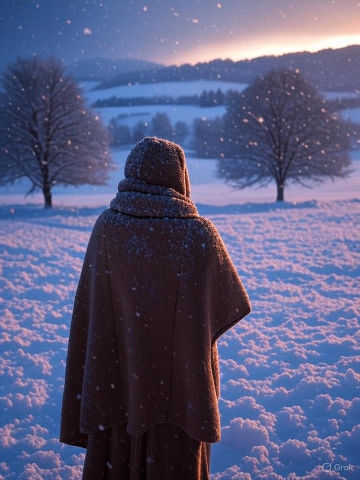
Winter Storm Blair was one of the most intense and wide-reaching winter storms in recent memory. It affected millions of people across the central and western United States, causing heavy snowfall, strong winds, power outages, and dangerous travel conditions. This post will guide you through everything about Winter Storm Blair, including real-life examples, its size, costs, location impact, and how to stay safe during such storms.
Contents
🌨️ What Was Winter Storm Blair?
Winter Storm Blair was a massive blizzard that occurred in early April 2019. Unlike typical spring weather, Blair brought a powerful mix of snow, ice, and freezing temperatures to areas that were just beginning to warm up. It impacted over 20 states in the U.S., including Colorado, Wyoming, Nebraska, South Dakota, Minnesota, and parts of the Midwest.
Real-life example:
In Colorado, Blair dumped more than 18 inches of snow in some parts, shutting down Denver International Airport for hours and canceling hundreds of flights. Trucks were stranded on highways, and even emergency vehicles struggled to respond quickly.
📍 Locations Affected by Winter Storm Blair
Winter Storm Blair had a vast impact zone. It wasn’t just one city or state—it stretched from the Rocky Mountains to the Upper Midwest.
State
Snowfall Amount
Major Cities Affected
Colorado
Up to 18 inches
Denver, Fort Collins
South Dakota
Over 12 inches
Rapid City, Sioux Falls
Minnesota
8-15 inches
Minneapolis, St. Paul
Nebraska
10-14 inches
Lincoln, Omaha
Wyoming
6-12 inches
Cheyenne, Casper
🧊 Size and Strength of the Storm
Winter Storm Blair was categorized as a bomb cyclone, meaning it rapidly intensified in less than 24 hours. The storm system dropped nearly 24 millibars of pressure in one day—a clear sign of its explosive growth.
Wind speeds reached over 70 mph
Snowfall covered 750,000 square miles
Over 500,000 power outages occurred across the region
💰 Cost of Winter Storm Blair
The cost of damages from Winter Storm Blair was estimated at $90 million across multiple sectors.
Category
Estimated Cost
Travel Delays & Cancellations
$30 million
Property Damage
$20 million
Agricultural Loss
$25 million
Emergency Services
$15 million
🏘️ Real-Life Impacts
Many families were stuck indoors for days. In Minnesota, schools were shut down for a week. In Nebraska, snow and melting ice caused historic flooding, damaging homes and farmland. Livestock perished in freezing temperatures, creating a crisis for many farmers.
Case Study – Nebraska Farmer
John M., a cattle rancher in Nebraska, lost over 100 cows when flooding followed the snowfall. His losses were in the tens of thousands of dollars, and recovery took months.
✔️ Facilities and Emergency Response
Emergency centers were set up across major cities to provide:
Winter Storm Blair Facts, Impact, and Tips – Real Life Examples, Size, Cost & Survival Guide
❓ FAQs
What caused Winter Storm Blair?
Winter Storm Blair was caused by a rapid drop in atmospheric pressure called a bombogenesis, creating a bomb cyclone with heavy snow and wind.
How much snow did Winter Storm Blair bring?
Blair brought 6 to 18 inches of snow in various areas, depending on elevation and storm path.
Was Winter Storm Blair a record-breaking storm?
Yes, it was one of the most intense April blizzards in the central U.S., especially because of its timing and flooding aftermath.
How can I prepare for a storm like Blair?
You should stock up on supplies, monitor weather alerts, and have a plan for power outages and travel restrictions.
Did Winter Storm Blair cause flooding?
Yes. After the snow melted quickly, it led to major flooding, especially in Nebraska and Iowa.
📝 Conclusion
Winter Storm Blair reminded everyone how powerful and unexpected spring storms can be. It affected millions of people, caused millions in damage, and left a lasting impression on those who lived through it. Whether you live in a snowy state or not, storms like Blair show why it’s smart to prepare early, stay informed, and never underestimate nature.
By learning from real examples and preparing wisely, you can keep your family safe and your home protected during winter disasters.
If you found this guide helpful, share it with others who want to stay safe this winter. For more safety tips and weather updates, follow Weather.gov.