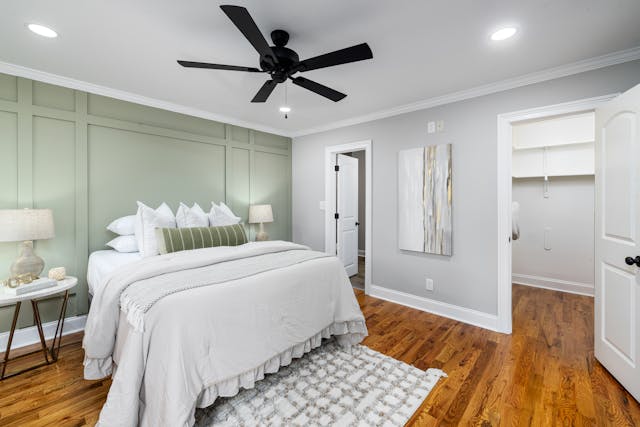
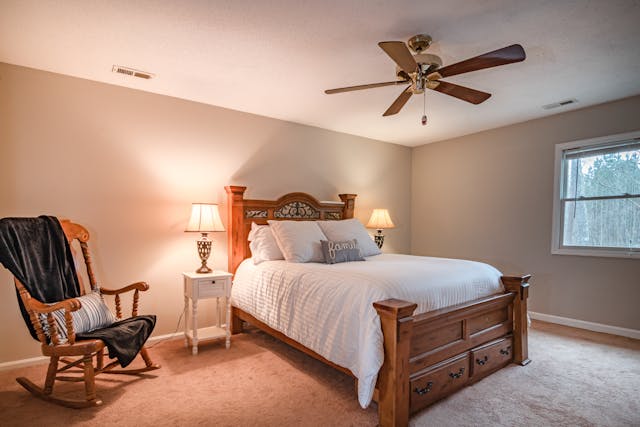
When the cold weather hits, we usually turn to heaters and blankets to keep warm. But did you know your ceiling fan direction for winter can help too? It’s a small change that makes a big difference in how warm your home feels — and even saves money on your energy bill!
In this simple guide, we’ll explain everything about ceiling fan direction during the winter. You’ll learn why it matters, how to change the direction, and what benefits it brings. Plus, we’ll show you real-life examples, a helpful chart, and answer the most common questions.
Contents
✅ Why Ceiling Fan Direction for Winter Matters
Many people think ceiling fans are only for summer. But that’s not true! In the winter, using your ceiling fan the right way helps push warm air back down where you need it. Since warm air rises, a fan set to spin in the clockwise direction will pull cooler air up and push warm air along the walls and back down.
Real-Life Example:
Lisa from Michigan noticed her living room always felt cold in the winter, even though her heater was running. After switching her ceiling fan direction to clockwise, the room warmed up faster, and she lowered her thermostat by 2 degrees — saving over $25/month on her energy bill.
🧭 How to Set Ceiling Fan Direction for Winter
Changing the fan direction is super easy. You don’t need any tools or skills. Here’s how to do it:
Step-by-Step Instructions:
Turn off the fan completely.
Look for a small switch on the fan base (usually near the motor).
Flip the switch to the clockwise position.
Turn the fan on at a low speed.
Tip:
If you’re unsure if the fan is spinning the right way, stand under it. In winter mode, you should not feel a breeze directly under the fan.
📊 Ceiling Fan Direction Chart: Winter vs. Summer
Season
Fan Direction
Airflow Effect
Fan Speed
Goal
Winter
Clockwise
Pulls air up, pushes warm air down
Low
Keep room warm & cozy
Summer
Counterclockwise
Pushes air down to cool you
Medium/High
Feel cooler, lower AC usage
💰 Benefits of Setting Your Ceiling Fan Direction for Winter
Switching your fan’s direction in winter gives you more than just a cozy room. Here’s what you gain:
Save on Heating Costs
Using your fan helps distribute warm air better. That means your heater doesn’t work as hard, which can lower your bill by up to 15%, according to Energy.gov.
Feel More Comfortable
No more chilly spots in your home. With the fan circulating air, your room stays evenly warm.
Eco-Friendly Heating
Lower energy use means less harm to the environment. It’s a simple green habit that helps the planet.
🏠 When to Use Ceiling Fans in Winter
Here’s when it’s smart to run your ceiling fan during cold months:
During the day when people are in the room
Evenings when the heater is on
In rooms with high ceilings, where warm air gets trapped
Avoid using fans in empty rooms — it wastes energy!
🔧 What If My Fan Has a Remote or No Switch?
Modern ceiling fans often come with a remote or app. If there’s no physical switch:
Check your remote for a direction button (usually an arrow or D/R symbol).
For smart fans, check the app to flip the rotation.
A small rural school in Colorado installed ceiling fans in all classrooms. During winter, they flipped the fan direction to clockwise. Teachers noticed fewer complaints about cold feet and stuffy air. After one year, the school saved 12% on heating bills.
🔁 Recap: Ceiling Fan Direction for Winter
To keep your home warm and energy-efficient in winter:
Set your fan to clockwise direction.
Run it at a low speed.
Only use it in occupied rooms.
Combine it with your heater for the best results.
Ceiling Fan Direction for Winter: Simple Guide to Stay Warm and Save Energy at Home
🧠 FAQs About Ceiling Fan Direction for Winter
❓ Which way should a ceiling fan turn in the winter?
Clockwise. This pulls cooler air up and pushes warm air down along the walls.
❓ How can I tell if my fan is turning the right way?
Stand under the fan. If you don’t feel air blowing down, it’s likely spinning clockwise — perfect for winter.
❓ Does the ceiling fan direction really save energy?
Yes! According to Energy Star, the right fan direction can save up to 15% on heating bills.
❓ Should I keep the fan on all day?
Only when people are in the room. Otherwise, it’s just using electricity for no benefit.
❓ What speed should I set my fan to in winter?
Always use a low speed in winter. High speed might create a wind chill effect.
✅ Final Thoughts
Changing your ceiling fan direction for winter is one of the easiest ways to stay warm, lower your energy bills, and make your home feel more comfortable. It only takes a few seconds to flip a switch — but the benefits last all season.
So next time you switch on the heater, also check your fan! That small change can make a big difference.