

Athena cantaloupe is a delicious fruit that many people love to eat. Therefore, it’s no surprise that this cantaloupe is popular in markets and gardens. In fact, it’s known for its sweet, juicy flesh and beautiful orange color. So, let’s dive into everything you need to know about it, including how to grow it, its benefits, and fun ways to enjoy it.
Contents
What Is Athena Cantaloupe?
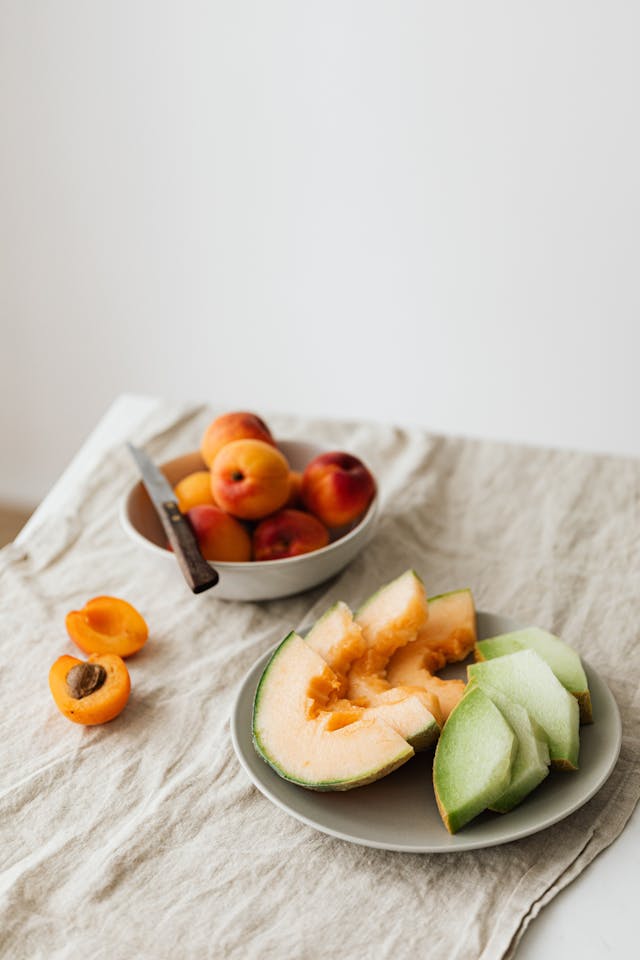
Athena cantaloupe is a type of muskmelon, which is a sweet and juicy fruit. For instance, it has a round shape, a net-like rind, and bright orange flesh. Moreover, it’s super popular because it tastes amazing and is easy to grow. Unlike some other melons, it ripens quickly and stays fresh for a long time.
This fruit comes from the *Cucumis melo* family, which includes other melons like honeydew and watermelon. Specifically, Athena cantaloupe is a hybrid variety, meaning scientists mixed different melon types to make it extra sweet and hardy. As a result, it’s a favorite for farmers and home gardeners alike.
Why Choose Athena Cantaloupe?
Why is it so special? Well, for one, it’s incredibly sweet. Additionally, it has a firm texture that makes it perfect for snacks or recipes. Here are some reasons people love it:
Sweet Taste: The flavor is rich and sugary, making it a great treat.
Long Shelf Life: It stays fresh longer than many other melons.
Easy to Grow: Even beginners can grow it in their gardens.
Nutritious: It’s packed with vitamins like A and C, which are good for your body.
In short, it is a fantastic choice for anyone who loves tasty, healthy fruit.
How to Grow Athena Cantaloupe
Growing it is fun and rewarding. Therefore, let’s break down the steps to grow it in your backyard or garden.
Step 1: Choose the Right Spot
Athena cantaloupe loves warm weather. Consequently, pick a sunny spot in your garden with at least six hours of sunlight daily. Also, make sure the soil drains well because melons don’t like wet roots.
Step 2: Prepare the Soil
Before planting, add compost or fertilizer to the soil. For example, mix in some organic matter like manure or plant food. This helps the cantaloupe grow strong and healthy. Additionally, check that the soil pH is between 6.0 and 6.8, which is perfect for it.
Step 3: Plant the Seeds
Plant Athena cantaloupe seeds in spring when the soil is warm (around 70°F). Sow the seeds about one inch deep and 12 inches apart. Alternatively, you can start seeds indoors and move them outside after a few weeks. Either way, give each plant enough space to spread out.
Step 4: Water and Care
Water the plants regularly, especially when it’s hot. However, don’t overwater, as this can harm the roots. Also, add mulch around the plants to keep the soil moist and stop weeds from growing. As the plants grow, you might need to support the vines with stakes.
Step 5: Harvest Your Athena Cantaloupe
Athena cantaloupe is ready to pick when the rind turns beige and the fruit smells sweet. Usually, this takes about 80 to 90 days after planting. Gently twist the melon off the vine, and it’s ready to eat! For more growing tips, check out [this guide from Johnny’s Selected Seeds](https://www.johnnyseeds.com/growers-library/vegetables/melons/cantaloupe-growing-guide.html).
Health Benefits of Athena Cantaloupe
Eating Athena cantaloupe isn’t just tasty—it’s good for you too! Here are some health benefits:
Vitamins Galore: Athena cantaloupe is full of vitamin A, which helps your eyes and skin. Plus, it has vitamin C, which keeps your immune system strong.
Hydration: Since it’s mostly water, it helps you stay hydrated on hot days.
Low Calories: It’s a sweet snack without a lot of calories, so it’s great for healthy eating.
Antioxidants: These help protect your body from harmful stuff, keeping you healthy.
For example, eating a cup of Athena cantaloupe gives you almost all the vitamin C you need in a day. So, it’s a yummy way to stay healthy. Learn more about melon nutrition at [Healthline](https://www.healthline.com/nutrition/cantaloupe-benefits).
Fun Ways to Enjoy Athena Cantaloupe
Athena cantaloupe is super versatile. Therefore, you can enjoy it in many ways. Here are some fun ideas:
- Fresh Slices
Simply cut the cantaloupe into wedges or cubes for a quick snack. In fact, this is the easiest way to enjoy its sweet flavor.
- Smoothies
Blend Athena cantaloupe with yogurt, ice, and a bit of honey for a refreshing drink. For instance, add some strawberries for extra flavor.
- Fruit Salad
Mix Athena cantaloupe with other fruits like berries, bananas, or grapes. As a result, you get a colorful, healthy salad.
- Cantaloupe Sorbet
Freeze Athena cantaloupe puree with a little sugar and lemon juice for a cool dessert. It’s perfect for summer!
- Grilled Cantaloupe
Yes, you can grill it! Slice the cantaloupe, grill it for a few minutes, and drizzle with honey. Consequently, you get a warm, sweet treat.
Try these recipes from [Taste of Home](https://www.tasteofhome.com/collection/cantaloupe-recipes/) for more inspiration.
Athena Cantaloupe vs. Other Melons
How does Athena cantaloupe compare to other melons? Let’s look at a few differences:
Honeydew: Honeydew is green inside and less sweet than Athena cantaloupe. However, it’s still juicy and refreshing.
Watermelon: Watermelon is bigger and has seeds throughout. Athena cantaloupe is smaller and easier to cut.
Galia Melon: This melon is similar but has a greener rind. It is sweeter and has a longer shelf life.
In summary, Athena cantaloupe stands out for its sweetness and ease of growing. Therefore, it’s a great pick for melon lovers.
Tips for Choosing the Perfect Athena Cantaloupe
When buying it at the store, follow these tips:
- Check the Rind: Look for a beige, net-like rind. If it’s too green, it’s not ripe yet.
- Smell It: A ripe it smells sweet and fruity at the stem end.
- Feel It: Press gently on the end opposite the stem. If it gives a little, it’s ripe.
- Avoid Cracks: Cracks or soft spots mean the melon might be overripe.
By following these tips, you’ll pick a perfect it every time.
Common Problems When Growing Athena Cantaloupe
Sometimes, growing it can have challenges. For example, pests like aphids or diseases like powdery mildew can affect your plants. Here’s how to handle them:
Pests: Use natural sprays like neem oil to keep bugs away. Also, check plants regularly for signs of pests.
Diseases: Avoid watering leaves and ensure good air circulation. If you see white spots, remove affected leaves quickly.
Poor Fruit: If your melons aren’t sweet, they might need more sun or nutrients. Add fertilizer and ensure enough sunlight.
For more help, visit [The Old Farmer’s Almanac](https://www.almanac.com/plant/cantaloupe) for pest and disease tips.
Storing Athena Cantaloupe
To keep it fresh, follow these steps:
Whole Melons: Store them in a cool, dry place for up to a month.
Cut Melons: Wrap pieces tightly in plastic wrap and keep them in the fridge for up to a week.
Freezing: Cube the cantaloupe and freeze it in a bag for smoothies or sorbet. It lasts up to six months.
As a result, you can enjoy Athena cantaloupe even when it’s out of season.
Fun Facts About Athena Cantaloupe
Here are some cool facts to share about it:
– It’s named after Athena, the Greek goddess of wisdom, because it’s a smart choice for growers!
– It was developed in the 1990s to be extra sweet and disease-resistant.
– One melon can weigh between 5 and 8 pounds, perfect for sharing.
– It’s grown in many places, like the United States, Mexico, and Australia.
These facts make Athena cantaloupe even more interesting to try.
FAQs
What does it taste like?
It is very sweet and juicy with a soft, orange flesh. It has a rich, fruity flavor that’s perfect for snacks or desserts.
How do I know when it is ripe?
A ripe it has a beige, net-like rind and smells sweet. Also, the end opposite the stem should feel slightly soft when pressed.
Can I grow it in a small garden?
Yes, it can grow in small spaces if you use trellises to support the vines. Just ensure it gets plenty of sun and water.
How long does it take to grow it?
It takes about 80 to 90 days for it to grow from seed to harvest, depending on the weather and care.
Is it healthy?
Absolutely! it is packed with vitamins A and C, low in calories, and great for hydration.
Conclusion
Athena cantaloupe is a fantastic fruit that’s sweet, healthy, and easy to grow. Whether you eat it fresh, blend it into a smoothie, or grill it for a unique treat, it’s sure to please your taste buds. Plus, with its long shelf life and simple growing process, it’s perfect for beginners and experts alike. So, next time you’re at the store or planning your garden, give it a try. You won’t be disappointed!